This post may contain affiliate links. If you click one and make a purchase, I earn a small commission at no extra cost to you. It helps support the site so I can continue to offer great content to you!
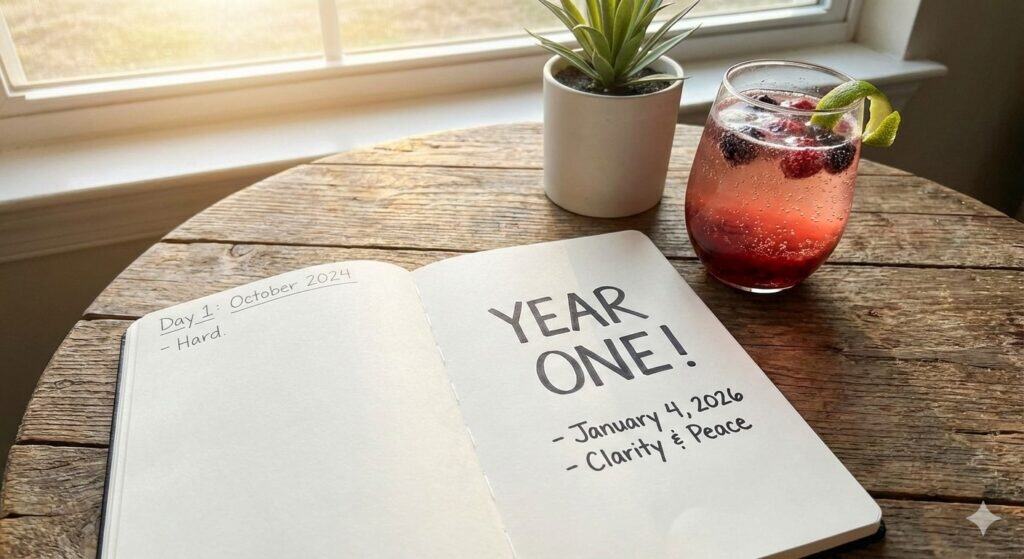
2024 wasn’t just another year; it was the year the glass finally felt empty, even when it was full. There were specific, quiet moments of clarity—mornings where the “hangxiety” became too heavy to carry and a final, sharp realization that the life I wanted was being blurred by the life I was living. Those turning points in 2024 forced me to put down the bottle for good, and looking back, it was the best decision I never thought I could make.
In this post, I’m pulling back the curtain on that first year. I’ll share the exact moments that led to my decision, the raw challenges I faced in the early months, and the eye-opening truths what I learned from a year of sobriety taught me about myself and our alcohol-centric society. From the physical benefits to the mental shifts, I’ll walk you through how I navigated the hurdles and why I am more committed than ever to continuing this journey.
The Breaking Points of 2024
Deciding to quit wasn’t a single lightning bolt moment for me; it was more like a series of cracks that finally broke the dam. In early 2024, I found myself going through the motions. On the outside, things looked “fine,” but internally, I was exhausted.
There were three specific moments that changed everything:
- The “Invisible” Hangover: I realized I didn’t need to be “sick” to be hungover. In fact, I don’t remember the last time I was actually sick after drinking. But the low-grade brain fog and irritability were robbing me of my personality even on days I hadn’t touched a drink.
- The Truth Bomb: Around March 2024, I came across the new drinking guidelines that the Canadian government had introduced a year or so prior. The report essentially said no more than 1 or 2 drinks per week, ultimately confirming that no amount of alcohol is safe.
- The Midnight Contract: That 3:00 AM wake-up call where your heart is racing and you promise yourself never again, only to find yourself reaching for a drink by 6:00 PM.
On the morning of October 18th 2024, I woke up and simply decided “I was done with alcohol”. 14 months later, I have not looked back on this life-changing decision.
By the time I hit my one-year mark, looking back at these moments became a vital part of what I learned from a year of sobriety: I wasn’t giving something up; I was gaining myself back.
Navigating the Challenges of Year One
The first 90 days were the hardest. It’s when your brain is still trying to rewire itself and your social circle is still adjusting to the “new you.” This process often follows the Stages of Change model, moving from the initial decision to the hard work of maintenance.
I had to learn how to:
- Relearn Socializing: How do you go to a family holiday party or a Friday happy hour without a “liquid shield”? I had to face my social anxiety head-on for the first time in years.
- Sit With My Feelings: Alcohol is a great “mute” button. Without it, every emotion—boredom, stress, joy, sadness—was suddenly very loud.
- Handle the “Why aren’t you drinking?” Question: Navigating the curiosity (and sometimes the discomfort) of others was a challenge I didn’t expect. I quickly learned that people’s reactions to my sobriety usually had more to do with their own relationship with alcohol than mine.
Inside my house, I was a sobriety pro. I felt calm, centered, and ready. But outside? That was a different story. Since I officially quit in October, I didn’t get a ‘grace period.’ I was launched headfirst into the busiest social season of the year. For several weeks, I had to face an endless stream of parties and gatherings that forced me to defend my new boundaries before the ink on them was even dry.
What I learned about society
Starting your sobriety in October is like trying to learn how to swim by jumping into the middle of the Atlantic during a storm. Navigating that “Holiday Gauntlet”—from Halloween punch bowls to New Year’s champagne—gave me a front-row seat to how deeply alcohol is woven into the fabric of our culture.
Here is the “social autopsy” of what I learned from a year of sobriety:
1. Alcohol is the Only Drug You Have to Justify Not Using
If I told someone I quit smoking, they’d congratulate me. If I said I stopped eating processed sugar, they’d ask for tips. But when you say you’ve quit drinking, the response is often a tilted head and a concerned, “Why? What happened?”
I realized that society views alcohol as the “default setting.” Choosing to be alcohol-free is seen as a “disruption” to the social script rather than a health-conscious choice.
2. The “Mirror Effect”
This was the most eye-opening discovery. When I refused a drink at those October and November parties, I noticed that some people became visibly uncomfortable. I eventually realized it wasn’t about me; it was about the mirror my sobriety held up to their own habits.
Many felt the need to tell me how they “drink with moderation, and it works great for them”. Others would tell me how they did Dry January and “saw no benefits”. And then there was the group who’d ask why I quit when, in reality, they did not want to hear it.
I had friends and family who were truly supportive. They congratulated me without trying to compare my decision to theirs.
I learned that my sobriety wasn’t a judgment on them, but many people perceived it that way because alcohol is so tied to our ideas of “fun” and “belonging.”
3. The Myth of the “Social Lubricant”
We are sold the idea that alcohol makes us more charming, funnier, and more connected. After a year of observation, I saw the opposite:
- Conversations often become repetitive after the second round.
- Connections are often shallow and easily forgotten the next day.
- The “fun” is often just a loud mask for fatigue or social anxiety.
I remember attending a party during my early months of sobriety and my surprise at how quickly the vibe changes after people start drinking. The stories became incoherent and were repeated several times. I’ve learned that I should arrive early, while people are still sober and leave once I lose interest in the conversation, once the stories become repetitive.
I had to realize that alcohol had become a “hobby”, an activity. When we don’t know what to do, we often drink. People spend hours at breweries or wineries. They look for the drink concession stand at the zoo or the movie theater.
The biggest thing that I learned from a year of sobriety taught me about society is that we are conditioned to believe we need a substance to celebrate, mourn, or relax. Once you step outside that bubble, you realize that the most authentic connections happen when everyone is actually present.
The mental and physical benefits
While the social lessons were eye-opening, the changes happening inside my body and mind were where the real magic occurred. In the beginning, I was just looking to wake up without a headache. I didn’t realize that what I learned from a year of sobriety would involve a complete overhaul of how I physically and mentally show up in the world.
The transformation wasn’t overnight—it was a slow, beautiful unfolding. Here is the “Before vs. After” of my first 365 days:
| Feature | The 2024 version of me | My life today |
| Sleep | Fragmented, 3 AM wake-ups, “sweaty” rest. | Deep, restorative REM sleep; waking up refreshed. |
| Energy | Constant peaks and valleys. | Sustained, natural energy throughout the day. |
| Skin/Appearance | Puffy face and dull looking. | Sober glow and more even skin, |
| Mood | High “hangxiety” and emotional volatility. Spent a lot of time thinking about drinking (or not). | Stable, resilient, and better able to handle stress. |
| Focus | Persistent brain fog; “zoning out” by 3 PM. | Sharp mental clarity and increased productivity. |
| Heartburns | Frequent. | None or very rare. |
| Gut Health | Often bloated, irregular bowels, and many food sensitivities. | Rare bloating or discomfort. regular bathroom habits and fewer food sensitivities (which may or may not be related). |
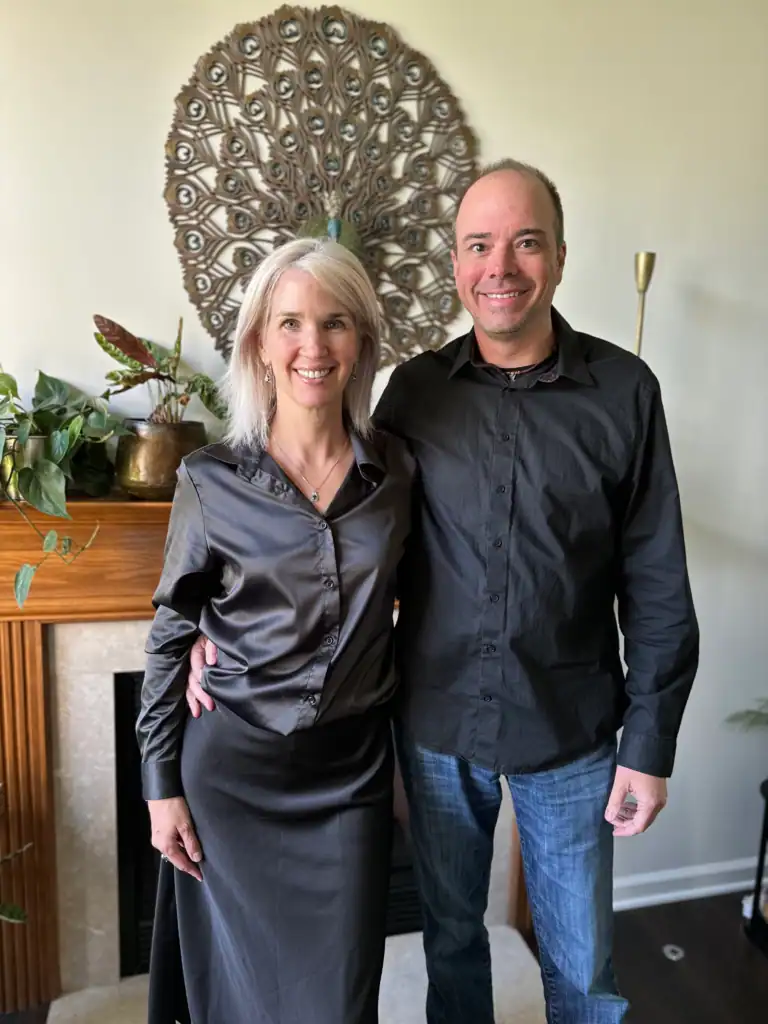
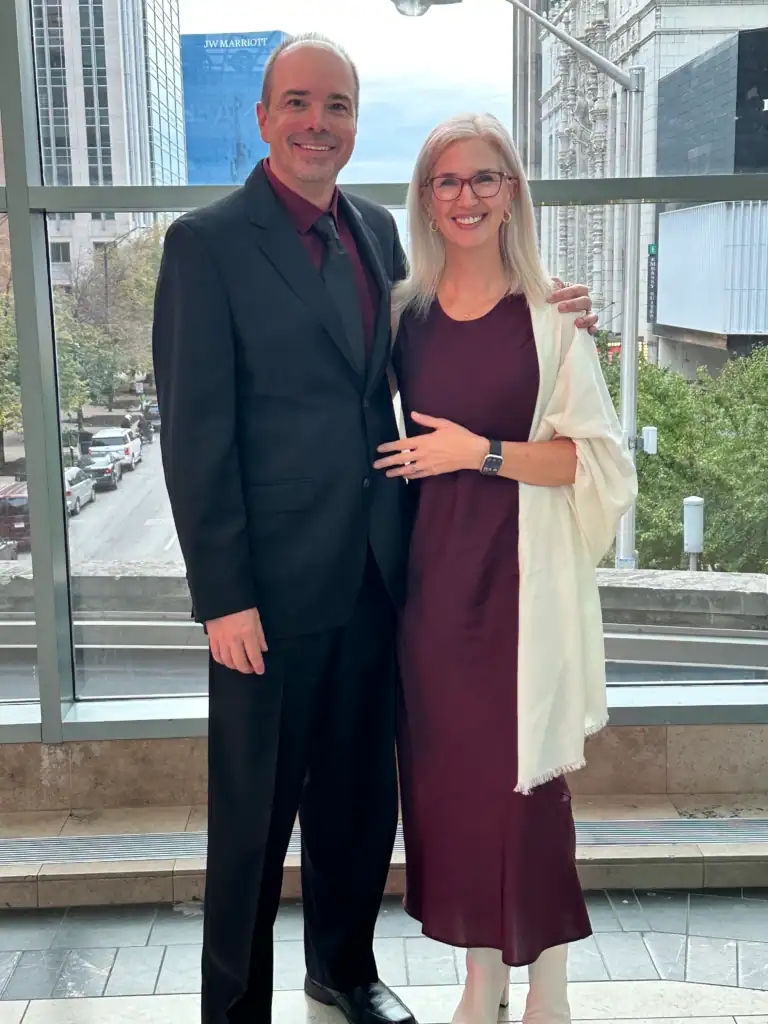
The Death of “Hangxiety”
Perhaps the greatest mental benefit was the total disappearance of hangxiety—that crushing weight of dread and shame that follows a night of drinking. In 2024, I spent so much mental energy “checking” myself: What did I say? Was I too loud? Did I offend anyone?
Each day was filled with the question: “Should I drink tonight? I really shouldn’t; today is Tuesday. But I had a stressful day. Maybe I’ll have a drink—just two or three—but I won’t drink tomorrow.” This internal dialogue happened daily and was incredibly draining.
Quitting alcohol didn’t just remove the toxins from my blood; it removed the noise from my brain. I gained back hours of mental space that used to be occupied by regret or “planning”. This newfound peace allowed me to actually be the person I was always trying to be when I had a drink in my hand.
Emotional Resilience
I used to think alcohol helped me cope with stress. I now realize it was actually keeping me in a state of “arrested development.” When you stop numbing the bad feelings, you also stop numbing the good ones.
What I learned from a year of sobriety is that emotions aren’t emergencies. Without a drink to “fix” a bad day, I finally had to learn how to actually process my feelings. The result? A level of self-trust I never knew was possible. I know now that I can handle a hard day, a boring party, or a stressful meeting entirely on my own.
Beyond the 365: How and Why I Continue
When I started this journey in October 2024, I told myself I was just “taking a break.” But as the days turned into months, and the months turned into a year, my perspective shifted. I realized that I wasn’t waiting for a finish line; I was discovering a brand-new starting line.
Why I’m Choosing This for the Long Haul
The “why” is simple, yet profound: I finally trust myself. For years, I made promises to myself at 3:00 AM that I broke by 6:00 PM. That constant cycle of self-betrayal erodes your confidence. Today, my words and my actions are in alignment. I continue this journey because the version of me that exists without alcohol is more capable, more present, and significantly happier than the version of me that needed a drink to survive a Tuesday.
Beyond the mental peace, there is a much more primal reason I’m staying on this path: my long-term health. For a long time, I looked at alcohol through the lens of ‘how I’ll feel tomorrow,’ but I’ve shifted my focus to how I’ll feel ten or twenty years from now. With the growing body of research linking even moderate alcohol consumption to various forms of cancer and chronic diseases, I realized that I didn’t want to gamble with my future. Choosing to be alcohol-free is my most powerful insurance policy. I’m doing this because I want to live a long, vibrant life, free from preventable illness, so I can be fully present for all the milestones yet to come.
How I Maintain the Momentum
Staying alcohol-free isn’t about “white-knuckling” it anymore. It’s about the daily systems and mindset shifts that keep me grounded:
- Prioritizing New Rituals: Whether it’s a fancy mocktail in a nice glass or a yummy and mostly healthy dessert, I’ve replaced the “habit” of drinking with the “ritual” of self-care.
- A social life adjustment: I’ve learned that parties are more fun sober if I arrive (and leave) early. I’ve learned that lunch connections are also a great way to connect with others while sober.
- Constant Curiosity: I keep reading, listening to podcasts, and reflecting on what I learned from a year of sobriety. I treat my sobriety like a garden—it needs consistent tending to stay vibrant.
A Final Word to You
If you are reading this and you’re currently in that 2024 version of me—tired, foggy, and wondering if life can actually be fun without a drink—I want you to know that it is. In fact, it’s not just “fun”; it’s vivid.
Quitting alcohol didn’t solve all my problems, but it gave me the clarity and strength to finally face them. If you’re considering taking this step, don’t wait for a “perfect” time (as I learned, there’s no such thing as a perfect time, even in the middle of party season!). Just start.
Are you considering an alcohol-free 2026? Tell me your ‘why’ in the comments below! One year from now, you’ll wish you had started today. I can’t wait to read your own “what I learned from a year of sobriety”.